arXiv: 2604.24512 · PDF
作者: Dahlia Shehata, Ming Li
单位: University of Waterloo
主分类: cs.AI · 全部: cs.AI
命中关键词: llm, agent, agentic, retrieval, reasoning, attention, transformer
自动分析不可用(claude CLI timeout)。展示原始摘要。
摘要
As LLM agents transition to autonomous digital coworkers, maintaining deterministic goal-directedness in non-linear multi-turn conversations emerged as an architectural bottleneck. We identify and formalize a systemic failure mode termed the Attention Latch in decoder-only autoregressive Transformers. This phenomenon, a behavioral manifestation of Information Over-squashing, occurs when the cumulative probabilistic weight of historical context overrides mid-task updates, causing agents to remain anchored to obsolete constraints despite explicit contradictory instructions. We propose Self-Synthesizing Reasoning Protocols (SSRP), a metacognitive framework that implements a discrete separation between high-level architectural planning (Architect) and turn-by-turn procedural execution (Executive). We evaluate SSRP across 9K trajectories using the MultiWOZ 2.2 dataset and the Aggregate Pivot Accuracy (APA), a novel metric we validate by mapping its scores to the U-shaped ‘Lost in the Middle’ curve. We present 3 experimental tiers: a shallow recency-based retrieval pilot, a high-entropy SOP, and a semantic hijacked 3-hop Multi-Fact Synthesis task. Our results empirically locate the Attention Stability Boundary, where stateless Vanilla ReAct baselines for GPT 5.4 collapse to 0.1% success while SSRP achieves a 715X Resilience Lift. We demonstrate statistically significant gains across Gemini 3.1 Pro, Claude Sonnet 4.6 and DeepSeek V3.2. Audits confirm SSRP necessity by proving attentional lapse via a recursive reflexion baseline (100% success); decoupling the latch from positional bias through equidistant stress testing (90% accuracy); and formalizing SSRP via the Information Bottleneck principle and granularity ablations. Procedural Integrity audit (98.8% adherence) reveals a Grounding Paradox where high-stability models fail by refusing to hallucinate under retrieval-reasoning contamination.
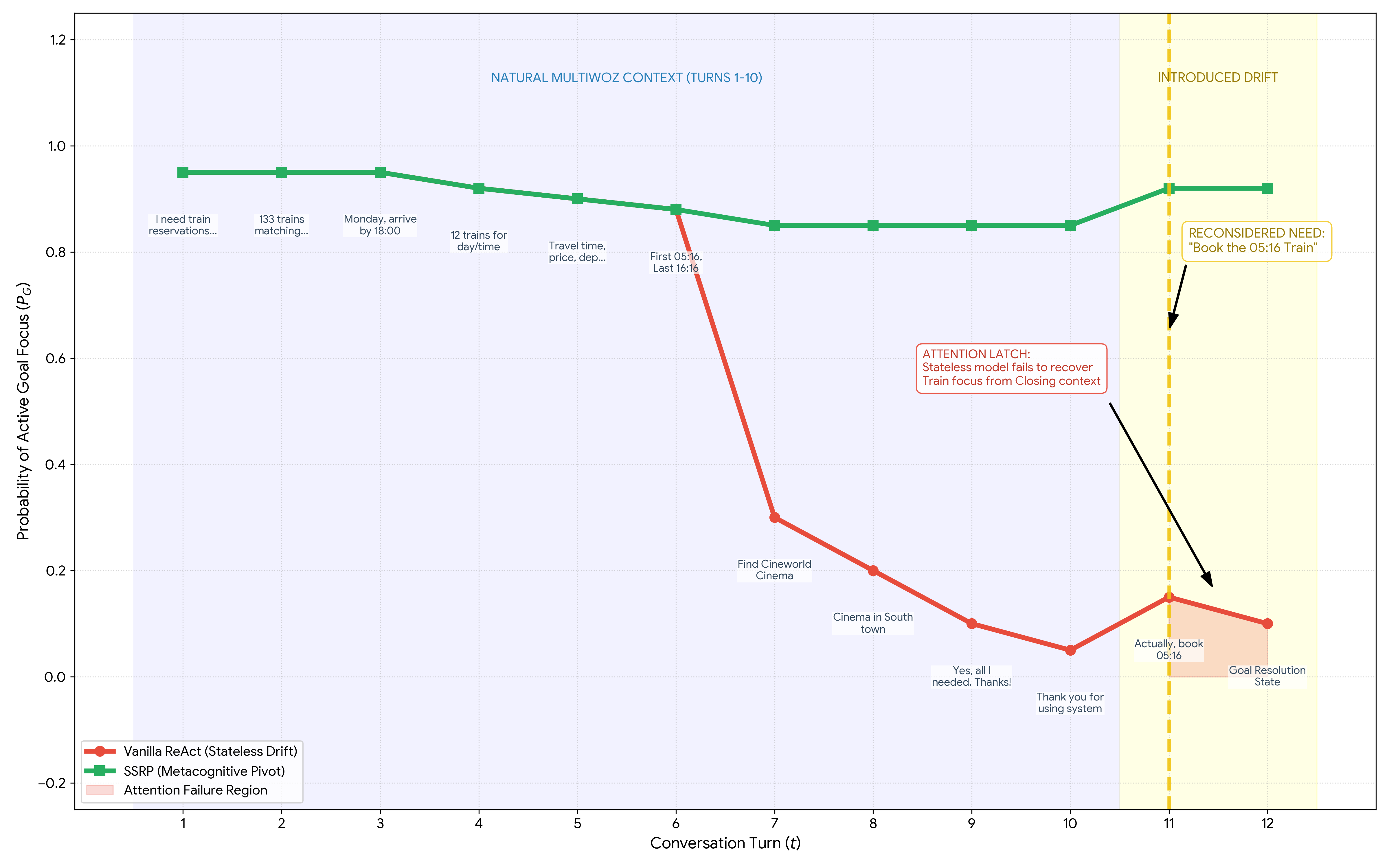
论文图表
图 1: Figure 1 : Comparative Reasoning Trajectories: Mitigating the Attention Latch via SSRP Re-Synthesis
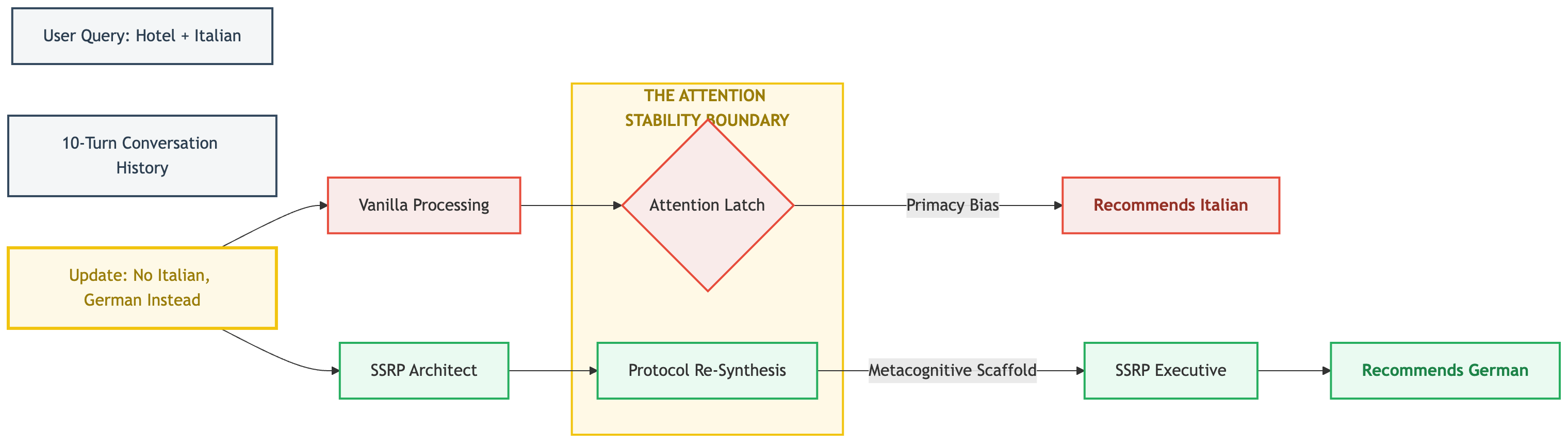
图 2: Figure 2 : SSRP Framework.
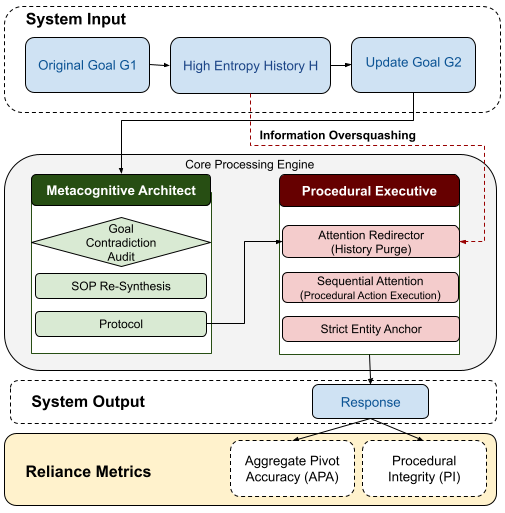
图 3: (a) Shallow Retrieval (Pilot)
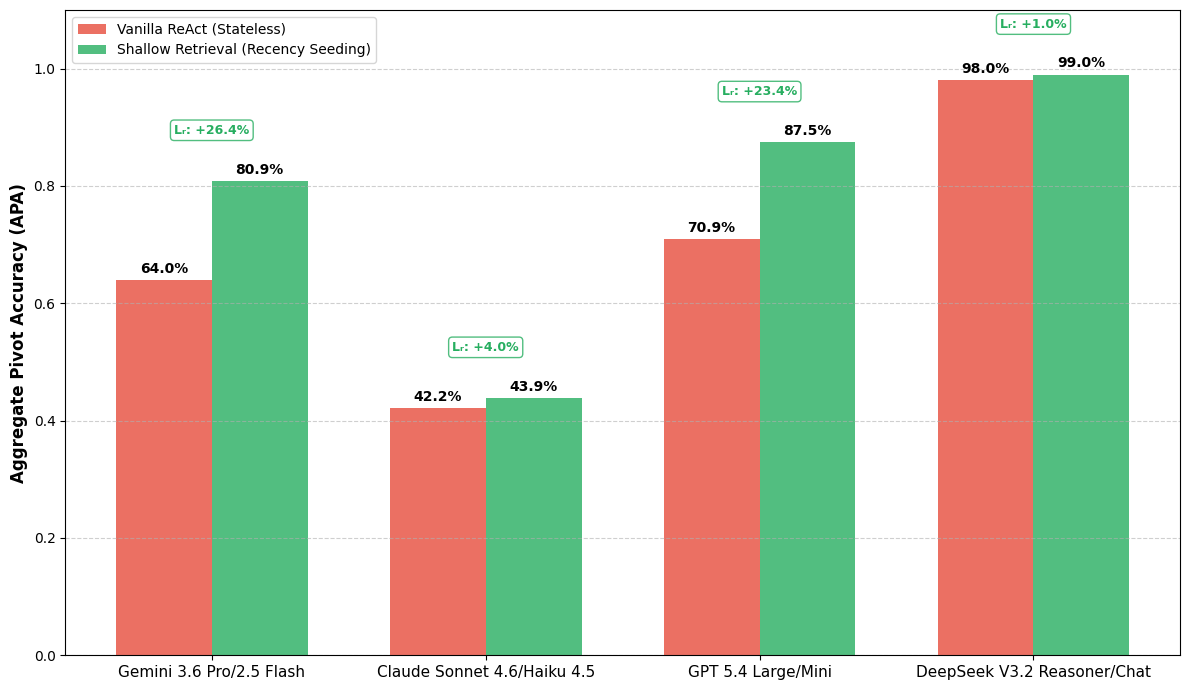
图 4: (b) High Entropy Synthesis (Stress)
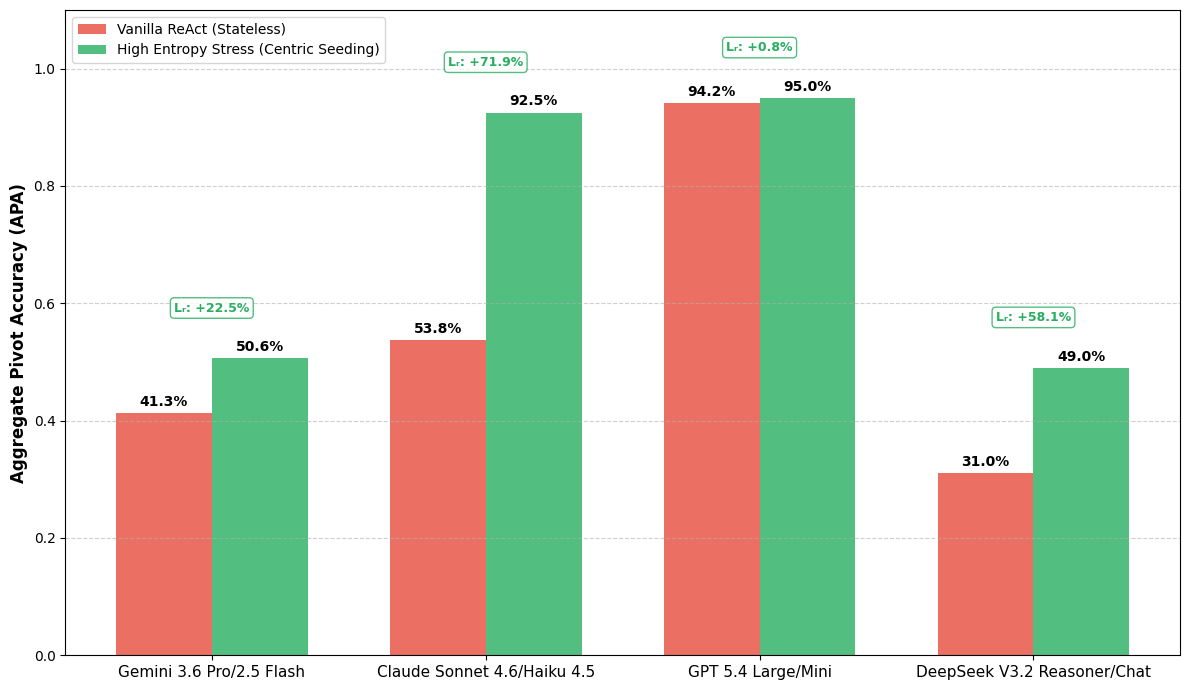
图 5: (c) Scientific Cliff
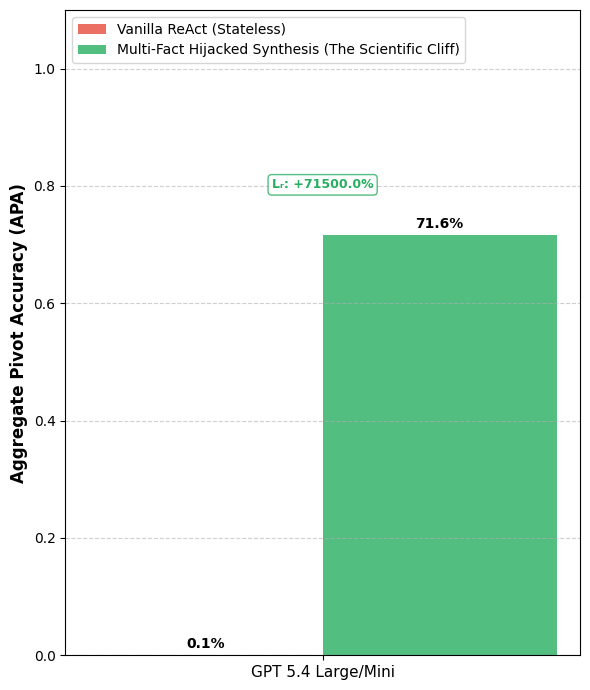
图 6: Figure 4 : The Attention Stability Boundary: Recall Accuracy vs. Information Position.
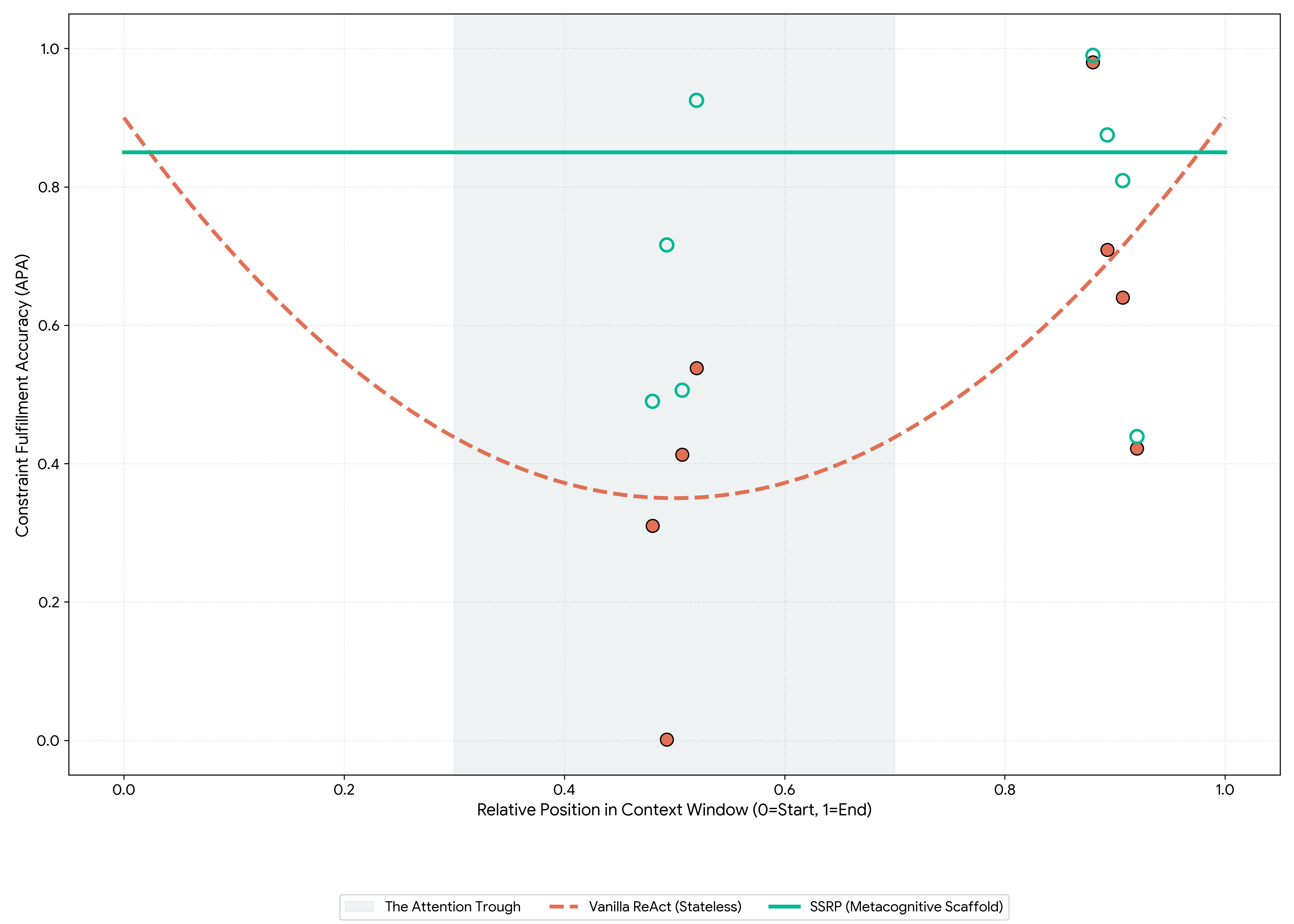
图 7: Figure 5 : The Inverse Overhead Curve: Quantifying IB in Agentic Scaffolding
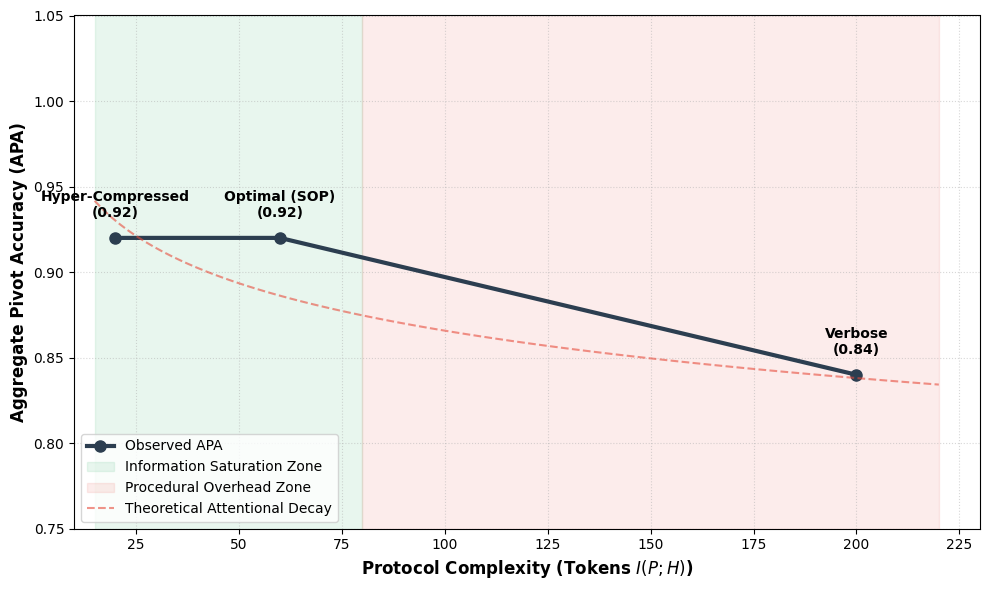
图 8: Figure 6 : Metacognitive Trajectory Resilience: Temporal Persistence of Goal-Focus over Non-Linear Updates.